

Kratom Powder for Soap
11 September 2026

Lab-tested kratom powder works well as a non-ingestible botanical ingredient in soap and topical crafts, provided every batch ships with a verified Certificate of Analysis. Its fine particle texture gives cold-process and melt-and-pour soaps a mild exfoliating quality, and some suppliers offer multiple lab-tested strains suited to this exact use. The sections ahead cover formulation methods, CoA verification, and the EU/UK paperwork you need before selling a finished bar.
UK legal status: Kratom is not controlled under the UK Misuse of Drugs Act, and possessing it is not an offence. However, since 2016 kratom falls under the Psychoactive Substances Act, which makes it an offence to sell, supply or import it into the UK. Regulations and their enforcement can change over time, so it's advisable to stay updated on any potential amendments.
TL;DR:
- Lab-tested kratom powder used in soap should always come with a verified Certificate of Analysis to confirm safety and botanical identity.
- Dispersing kratom powder evenly requires pre-mixing with oil or glycerin, as adding directly to hot oils or lye often causes clumping and streaks.
- Typical usage ranges from a small fraction of the batch for tinting to higher concentrations for visible exfoliation, with trial batches essential for accurate formulation.
- Sellers must follow EU and UK cosmetics regulations by maintaining a comprehensive safety report, proper labeling, and batch-specific lab documentation before selling.
- Different strains produce distinct colors and textures, with batch-specific lab reports allowing formulators to verify identity, contaminants, and suitability before use.
Table of Contents
- How Kratom Powder Behaves in Soap and Topical Formulations
- Formulation and Practical Incorporation Tips for Crafters and Soap-Makers
- How to Choose Lab-Tested Kratom Powder and Read a Certificate of Analysis
- Regulatory and Safety Considerations for Selling Kratom-Containing Soaps in the EU and UK
- Specific Benefits and Mechanisms of Kratom in Topical Craft Applications
- Potential Risks and Contraindications When Formulating With Kratom Powder
- Recommended Concentration Ranges for Kratom Powder in Soap and Cosmetic Batches
- Topical Craft Formulations vs. Ingestible Products: Why the Distinction Matters
- Sourcing Kratom Powder Ethically and Sustainably for Craft Use
- How to Patch Test Kratom-Infused Soap and Cosmetics Before Selling
- Why Documentation Is the Real Safeguard in This Craft
- Kratomvia Strains and Lab Reports for Craft Formulators
- Sources
- FAQ
How Kratom Powder Behaves in Soap and Topical Formulations
Kratom powder milled for cosmetic use has a fine, silty texture, closer to cocoa powder than to coarse pumice. That grind size is exactly what makes it function as a mild exfoliant when blended into soap or scrub bases, giving finished bars a gentle physical texture without the scratchiness of walnut shell or coarse salt.
Color is the first thing most soap-makers notice. Botanical powders shift shade as they cure: green strains often mellow into a soft sage or olive tone, while red and white varieties trend toward tan or cream depending on your base oils and cure time. Alkaline environments in cold-process soap can darken botanical powders further as saponification proceeds, so a test batch matters more here than with synthetic colorants.
Dispersion is where most first attempts go wrong. Powder dropped straight into hot oils or a lye solution tends to clump and streak. Craft formulators generally get better results with one of these approaches:
- Oil slurry: pre-mix the powder into a small amount of your base oil until smooth, then fold that slurry into trace.
- Glycerin pre-mix: disperse powder in glycerin first, which reduces clumping in cold-process batches.
- Sieve-and-split: pass the powder through a fine mesh sieve, then divide your batch to control color intensity across bars.
Cold-process soap gives you the most control over color development since the powder cures alongside the saponification reaction. Melt-and-pour bases are faster and more forgiving for small runs, but botanical powders can settle if you pour before the base thickens slightly. Hot-process sits in between: it accepts powder well but shortens your working window before the mixture sets.
A 2025 laboratory study measuring kratom ethanolic extracts found notable antioxidant activity, which is the kind of finding formulators watch when scouting botanical ingredients for topical research. It is a lab result on extracts, not a claim about finished soap performance, but it is a reasonable starting point if you are experimenting with antioxidant-forward formulations.
Formulation and Practical Incorporation Tips for Crafters and Soap-Makers
Timing determines whether your powder disperses evenly or ends up in dark streaks. Here is a practical sequence for each soap type:
- Cold-process: add the powder slurry at light trace, once the soap has thickened slightly but is still pourable. Adding it into the raw lye solution risks uneven color and clumping.
- Melt-and-pour: stir the powder into the melted base once it has cooled slightly below pouring temperature, then pour immediately before it starts to set.
- Hot-process: fold the powder in after the cook, during the cooling phase, so heat doesn’t over-darken the botanical.
For dispersion, the oil slurry and glycerin pre-mix methods that soap-makers use for other dried botanicals apply directly to kratom powder. Keep your mixing speed low and your oils warm rather than hot. High heat and vigorous mixing are the two most common causes of streaking.
On usage rates, think in ranges rather than fixed numbers, and always run a trial batch first since usage varies widely.
- Light tint / mild texture: a small fraction of total batch weight, barely visible in the finished bar.
- Moderate exfoliation: enough to feel gritty without abrasion.
- Decorative swirl or top layer: a more concentrated amount applied to a small portion of the batch for visual contrast against an uncolored base.
Label your finished products with the correct INCI name for the botanical ingredient, the approximate percentage of botanical content, and any relevant allergen flags for your fragrance or carrier oils.
Pro Tip: Make a master swatch card before you commit to a full batch. Cure small test squares at different powder concentrations, log the exact grams used and cure time on each one, and keep it as your reference for future runs. It saves you from guessing why one batch turned darker than the last.
How to Choose Lab-Tested Kratom Powder and Read a Certificate of Analysis
A Certificate of Analysis is the single document that tells you whether a batch of powder is safe to formulate with. At minimum, a usable CoA should list:
- Botanical identity confirmation, verifying the powder is what the label claims.
- Microbial limits, covering total plate count and common pathogens.
- Heavy metal screening, typically for lead, arsenic, cadmium, and mercury.
- Pesticide residue testing.
- A batch ID number that matches the bag or container you received.
Microbial and contaminant limits matter for topical formulation because anything left in the powder ends up on skin-contact surfaces once it’s blended into a bar or scrub. A supplier that skips this testing is asking you to trust texture and color alone, which tells you nothing about what’s actually in the powder.
To verify a CoA is legitimate, cross-check the batch number against what’s printed on your product, confirm the testing lab is named (not just “an independent laboratory”), check the test date isn’t years old, and look for the analytical method used, such as LC-MS/MS for residue screening. If a supplier can’t produce a CoA on request, or offers one only after you push for it, treat that as a reason to look elsewhere.
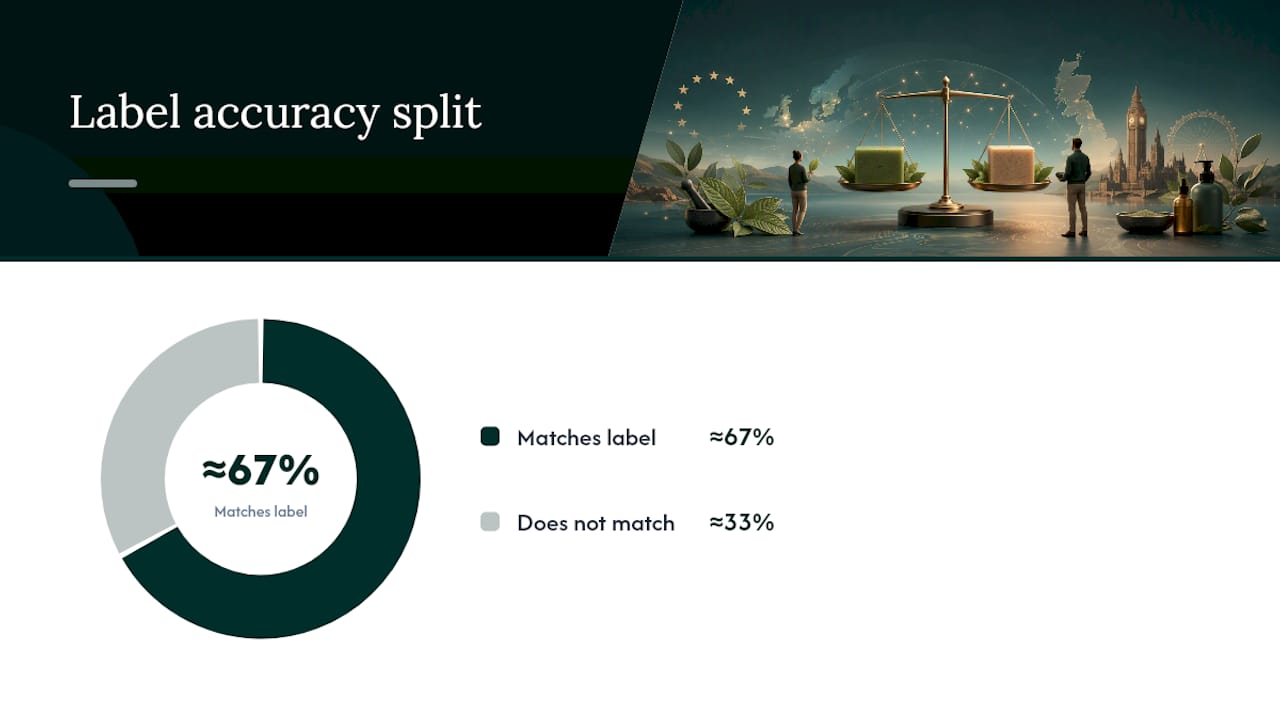
Roughly one in three consumer botanical products tested in independent lab surveys shows some form of quality inconsistency between label and contents, which is exactly why batch-level testing rather than a single blanket certificate matters. Kratomvia publishes batch-specific lab reports for its strains, and its guide on how to choose quality kratom walks through the same verification steps in more detail.
Regulatory and Safety Considerations for Selling Kratom-Containing Soaps in the EU and UK
A finished soap bar sold in the EU falls under Regulation (EC) No 1223/2009, the same cosmetics regulation that governs shampoo and lotion. That means a Cosmetic Product Safety Report and a Product Information File aren’t optional extras. They’re the legal baseline before you list a bar for sale.
Your CPSR needs to document finished pH, free alkali content, your saponification method, and a qualified cosmetic safety assessor’s conclusions on the formula. Bar soaps can often skip formal microbiological testing when the file justifies it on the grounds of low water activity, but pH and free alkali testing remain mandatory regardless.
Labeling has its own rules. Every ingredient needs its correct INCI name, fragrance allergens above threshold levels must be declared, and nothing on your packaging should suggest medicinal or therapeutic use. Keep your claims strictly cosmetic: texture, exfoliation, tint, scent.
Before you sell:
- Run small-batch stability checks across a few weeks of storage.
- Appoint a Responsible Person in the EU or UK to hold your technical file.
- File every CoA alongside your PIF so contaminant and identity testing is traceable back to the exact batch you used.
Specific Benefits and Mechanisms of Kratom in Topical Craft Applications
The value kratom powder brings to a topical craft formulation comes down to two things: physical texture and phytochemical interest, not any systemic effect. As a fine botanical powder, it behaves the way finely ground clay or oat powder does in a scrub: it adds gentle abrasion to help lift dead skin cells from the surface during use.
The phytochemical angle is where formulators pay closer attention. The antioxidant activity measured in laboratory extract testing is a plant-chemistry finding, relevant to researchers exploring how botanical extracts might support topical antioxidant formulations generally. It’s a data point about the plant material’s chemistry, not a claim about how a finished soap bar performs on skin.
Craft-industry commentary on botanical powders in skincare treats kratom the same way it treats turmeric, matcha, or charcoal: an ingredient valued for texture, tint, and formulator curiosity, worked into masks, balms, and bar soaps as a raw material rather than a functional treatment. That framing is the honest one. Kratom powder earns its place in a soap recipe the way any botanical does: through how it feels, how it colors, and how it holds up through cure time, not through a mechanism the formulation industry has validated for skin absorption or systemic effect.
Potential Risks and Contraindications When Formulating With Kratom Powder
Every botanical powder carries formulation risks that have nothing to do with what the plant is and everything to do with how it’s sourced and handled. Kratom is no exception, and treating it as an inert colorant without doing due diligence is the most common mistake new crafters make.
Contaminated raw material is the biggest risk. Powder that hasn’t been screened for heavy metals, pesticide residue, or microbial load can carry all three, regardless of how the plant itself behaves in a soap recipe. This is why a Certificate of Analysis isn’t a nice-to-have step. It’s the only way to know what’s actually in the bag before it touches your workbench.
Allergic or sensitivity reactions are a formulation-wide concern, not one specific to kratom. Any new botanical powder introduced to a skin-contact product should go through the patch-testing process covered later in this article, the same way you’d test a new essential oil or clay.
Cross-contamination during production is worth flagging too. If your workspace handles multiple botanical powders, cleaning between batches prevents one ingredient from unintentionally showing up in another product’s finished bar, which matters both for your labeling accuracy and for customers managing their own sensitivities.
None of these risks are unique to kratom. They’re the same due-diligence points that apply to clay, charcoal, or any powdered botanical entering a cosmetic supply chain, and they all trace back to the same fix: verified lab testing before the powder reaches your mixing bowl.
Recommended Concentration Ranges for Kratom Powder in Soap and Cosmetic Batches
There’s no universal percentage that works across every soap base, oil blend, and desired finish, which is exactly why trial batches matter more than a fixed formula. What craft-industry guidance consistently recommends is starting low and adjusting based on the result you’re after, not the result you assume you’ll get.
For a subtle tint with minimal texture, a small fraction of total batch weight is usually enough to shift color without altering the bar’s feel. Push toward the higher end of a moderate range if you want noticeable exfoliation, keeping in mind that alkaline cold-process environments tend to intensify color over the cure period, so a shade that looks right at trace can darken by the time the bar finishes curing four to six weeks later.
Decorative applications, like a swirled top layer or a contrast stripe, call for a more concentrated slurry applied to a small portion of the batch rather than blended throughout. This keeps the visual effect sharp without weighing down the whole bar’s texture.
Whatever range you land on, record it. A formulation log that tracks grams of powder per batch weight, cure time, and final color result is the only reliable way to reproduce a result you liked, and it’s the same record-keeping habit that pays off if a regulator or customer ever asks how a specific batch was made.
Topical Craft Formulations vs. Ingestible Products: Why the Distinction Matters
Kratomvia sells kratom powder exclusively as a raw material for soapmaking, cosmetics, and craft accessories. That’s a deliberate positioning, not a marketing footnote, and it shapes every formulation decision covered in this guide.
Comparing topical craft use to any ingestible application isn’t something this article addresses, because the two are entirely separate product categories governed by separate rules, separate testing standards, and separate regulatory bodies. A soap bar sits under EU Cosmetics Regulation 1223/2009. Ingestible products sit under an entirely different framework with different safety thresholds, different labeling law, and different market authorization requirements depending on jurisdiction.
For a soap-maker, this distinction is practical, not academic. It determines which CoA parameters matter (microbial limits and contaminants, not dosage), which safety assessor you need (a cosmetic safety assessor, not a different kind of specialist), and which claims you’re legally allowed to put on your label (texture and tint, never a health outcome). Staying inside the cosmetic framework isn’t a limitation. It’s what keeps your product, your labeling, and your business on solid legal ground in every EU and UK market you sell into.
Sourcing Kratom Powder Ethically and Sustainably for Craft Use
Where your powder comes from affects both the quality you get and the story you can honestly tell customers. Ethical sourcing in the kratom trade generally means working with growers who follow sustainable harvesting cycles, rather than stripping a tree faster than it can regenerate leaf growth.
Traceability is the practical marker of ethical sourcing. A supplier who can tell you which region a batch came from, and who backs that with batch-specific lab testing rather than a single generic certificate covering an entire year’s stock, is giving you something you can actually verify. Some suppliers source directly from growers in Southeast Asia and test every batch independently, which is the kind of chain-of-custody transparency worth asking about from any supplier you’re considering.
For your own business, sourcing transparency isn’t just an ethical talking point. It’s a practical safeguard. If a regulator or customer ever asks where your raw material came from and how it was verified, a supplier relationship built on batch documentation gives you a straightforward answer instead of a shrug.
How to Patch Test Kratom-Infused Soap and Cosmetics Before Selling
Patch testing isn’t a formality you skip because a formulation seems safe on paper. It’s the step that catches sensitivities before a finished product reaches a customer’s skin, and it should happen every time you introduce a new botanical powder or change your usage rate.
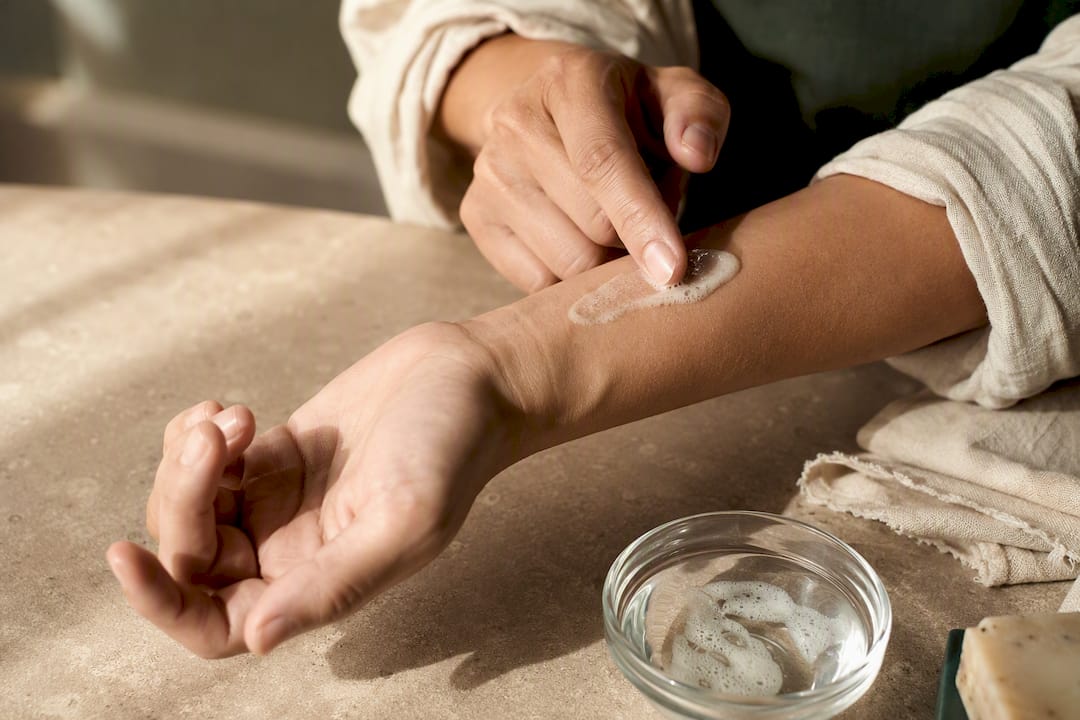
To run a basic patch trial, apply a small amount of your finished soap or balm to a small area of skin, such as the inner forearm, and leave it undisturbed for 24 to 48 hours. Watch for redness, itching, or irritation. No reaction over that window is a reasonable signal the formulation is well tolerated, though it isn’t a substitute for a formal safety assessment if you plan to sell commercially.
For anything you intend to bring to market, patch testing on yourself or a few volunteers only gets you so far. A qualified cosmetic safety assessor conducting a full CPSR evaluation is what actually satisfies EU and UK regulatory requirements, and that process typically includes a formal review of your formulation, usage rate, and any prior small-scale testing you’ve documented.
Keep records of every patch test alongside your formulation log: date, tester, concentration used, and outcome. That documentation becomes part of your Product Information File and gives you something concrete to show if a customer ever reports an issue with a specific batch.
Why Documentation Is the Real Safeguard in This Craft
The soap-makers who run into trouble with botanical ingredients aren’t usually the ones using an unusual powder. They’re the ones who can’t answer a basic question when it comes up: where did this batch come from, and what’s actually in it? That gap is what separates a hobby project from a business that can survive a regulator’s request or a customer’s complaint.
Kratomvia’s coverage of testing and sourcing on its own blog reflects the same principle this guide has walked through: a CoA isn’t paperwork for its own sake. It’s the record that lets you formulate with confidence and answer for your product later. Crafters who build a habit of running trial batches, logging concentrations, and filing lab reports alongside every finished product aren’t just protecting customers. They’re protecting the business itself.
— Kratome
Kratomvia Strains and Lab Reports for Craft Formulators
some suppliers provide published, batch-specific lab reports you can check before the powder ever reaches your workbench, along with discreet shipping across Europe and the UK for crafters who value privacy.
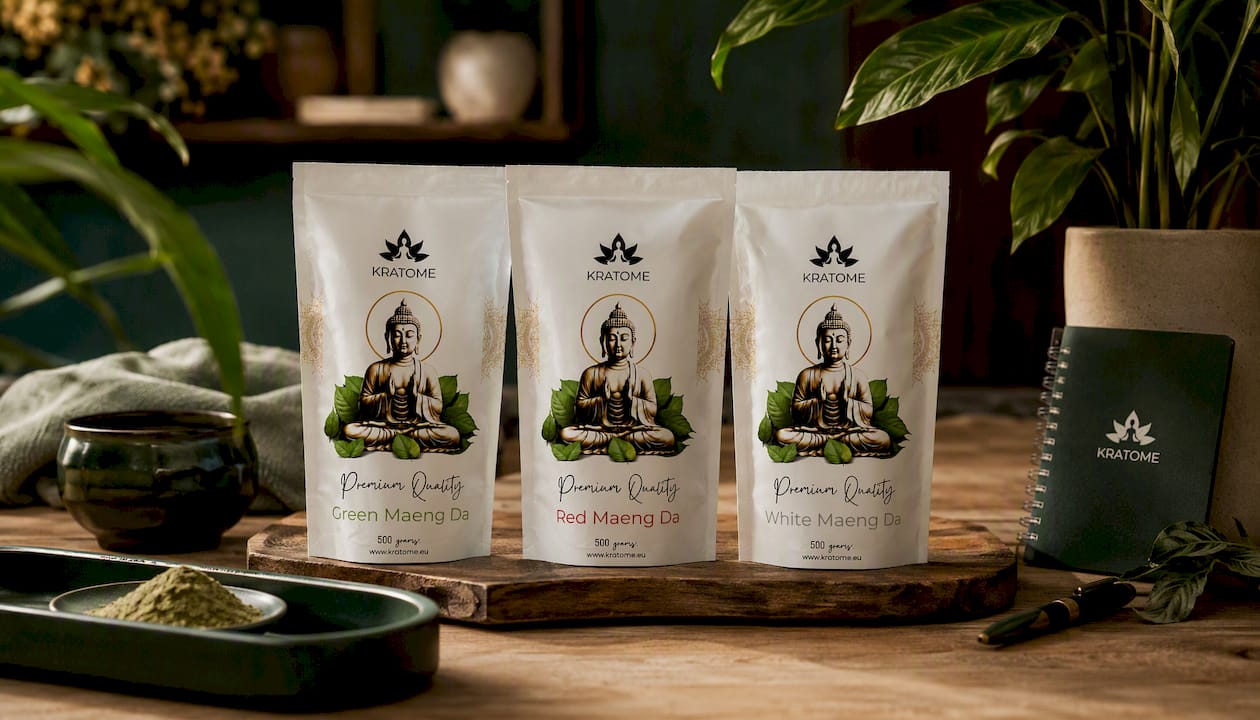
Three strains are available as raw material for topical and craft formulation, each with its own texture and tint profile worth testing in a trial batch:
- Green Maeng Da: a finer, lighter-toned powder that tends to blend into pale soap bases with minimal color shift.
- Red Maeng Da: trends toward a warmer, deeper tone once cured, useful for formulators after a richer visual contrast.
- White Maeng Da: a lighter, more neutral base powder that gives predictable results across melt-and-pour and cold-process batches alike.
Sources
- Cosmeceutical Potential of Mitragyna speciosa (Kratom): Anti-Adipogenic and Antioxidant Properties of Extracts and Mitragynine
- Kratom in Skincare: An Emerging Beauty Trend? – Pharmakeia
- Bar & Solid Soap Safety Assessment (CPSR) | Lexora
FAQ
Can kratom powder be used in soap without ingestion concerns?
Yes. Kratom powder is sold and used in this context strictly as a non-ingestible botanical raw material for soap, balms, and scrubs, valued for its fine texture and tint.
What should a Certificate of Analysis include for kratom powder?
A usable CoA lists botanical identity, microbial limits, heavy metal screening, pesticide residue results, and a batch ID that matches your product.
Do I need a CPSR to sell kratom-containing soap in the EU?
Yes. Any cosmetic sold in the EU, including soap bars, requires a Cosmetic Product Safety Report and Product Information File under Regulation (EC) No 1223/2009.
How much kratom powder should I use in a soap batch?
There’s no fixed rate. Start with a small trial batch, log the concentration and cure results, and adjust based on the tint or texture you want.
Where can I find lab-tested kratom powder for craft use?
Kratomvia publishes batch-specific Certificates of Analysis on its lab reports page for its Green Maeng Da, Red Maeng Da, and White Maeng Da strains.
Recommended
- Kratom Legality in the UK & Europe (2026 Guide)
- Kratom Laws in Europe & the UK (2026 Guide)
- How to Make Kratom Soap | DIY Guide
- Lavender Essential Oil for Kratom Soap Making EU & UK
Disclaimer: This blog is intended for educational and informational purposes only. The content provided is not intended to promote, recommend, or suggest human consumption of kratom or any other product. Our products are sold exclusively for their intended purposes as described on our website. This information should not be interpreted as medical advice, and we encourage readers to consult qualified professionals for any health-related questions.
Disclaimer: This article is for educational and informational purposes only. Kratom is sold by Kratomvia as a botanical specimen for study and collection purposes, and is not intended, approved, or authorised for human consumption in the European Union. Our kratom is sold as a soap accessory and collectible item.


