

Kratom Strain Colors
19 September 2026

Kratom strain colors (red, green, white, and yellow) are marketplace labels describing the color of the leaf’s vein at harvest, shaped by leaf maturity and post-harvest drying methods rather than a fixed chemical formula. The label tells you how a batch was grown and processed, not what alkaloids it contains. The only way to know that is a batch-specific Certificate of Analysis (COA) from an independent lab.
TL;DR:
- Kratom vein color labels reflect harvest timing and processing methods, not consistent chemical profiles, so batch-specific lab analysis is necessary for accurate information.
- Red vein kratom is generally marketed for relaxation, while white and green are associated with stimulating effects, but these effects vary significantly between batches.
- Laboratory reports called Certificates of Analysis provide the only reliable way to verify the actual alkaloid content and safety of a specific batch, regardless of color label.
- Regional names like Bali or Malay are marketing terms and do not guarantee geographic origin, so buyers should focus on batch data rather than regional labels alone.
- Variability in drying, fermentation, environmental factors, and season means that identical labels across vendors and batches may differ chemically, making lab verification essential.
Table of Contents
- What Do Vendors Mean by Red, Green, White, and Yellow Vein Colors?
- Why Do Leaf Veins Look Different Across Batches?
- What Does the Research Say About Color and Alkaloid Content?
- How Do You Verify a Color Label Actually Matches What’s in the Batch?
- How Are Strain Names and Regional Tags Actually Used in Catalogs?
- Kratomvia’s Approach to Sourcing and Batch Testing
- The Real Lesson Behind All the Color Talk
- See Kratomvia’s Lab-Tested Color Categories for Yourself
- Sources
- FAQ
What Do Vendors Mean by Red, Green, White, and Yellow Vein Colors?
Walk through any kratom catalog and you will see the same four color categories repeated across dozens of product names. These labels come from the vein running through the leaf. Farmers and vendors sort dried leaf by vein color because it correlates loosely with harvest timing, but the categories function more like a sorting system than a scientific classification. Understanding what each term signals in a listing helps you compare products without assuming more precision than the label actually offers.
Red vein is the most common category on the market, and vendors typically describe it using language tied to relaxation and calm. Product names built around red vein material include Red Maeng Da, Red Bali, and Red Borneo. These names combine a color with a region, a convention that goes back decades in the trade even though modern supply chains rarely trace a specific leaf back to a single named location. Kratomvia’s Red Maeng Da listing follows this same naming pattern common across the category.
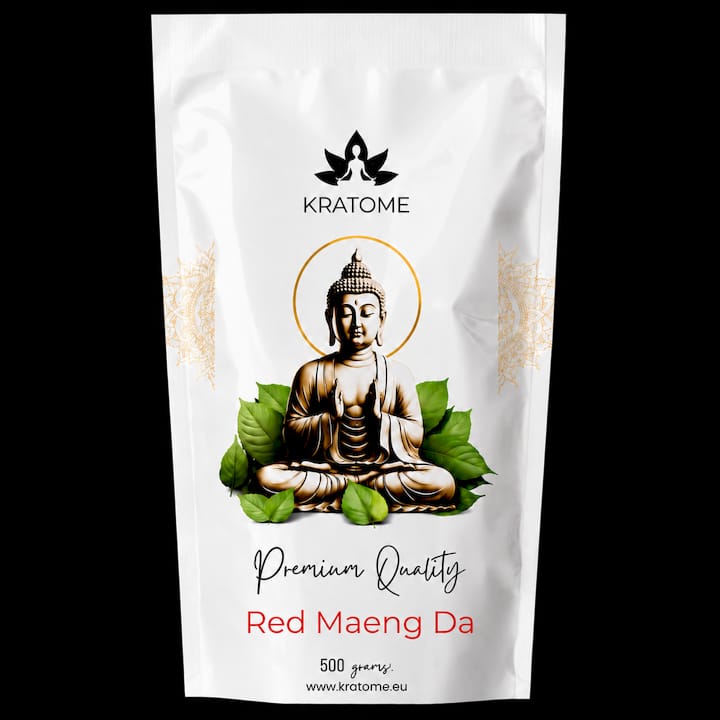
Green vein sits in the middle of most vendor descriptions, marketed as a balanced option between the red and white categories. Green Maeng Da and Green Malay are the two names you will see most often, and vendor glossaries across the industry consistently frame green vein this way, as a midpoint category rather than a distinct chemical class. That framing is useful shorthand for browsing, but it originates from marketing convention, not laboratory measurement.
White vein typically comes with catalog language pointing toward earlier harvest timing. Vendors often describe white vein leaf as picked younger than red vein leaf and processed with a drying method that avoids the darkening seen in red batches. Common product names include White Maeng Da and White Borneo, and the “white” designation traces to the pale color of the stem and vein visible once the leaf dries.
Yellow, sometimes labeled gold, is the newest and least standardized category. Vendors generally describe yellow vein as the result of a distinct drying or fermentation process applied to leaf that started as red or green vein material, rather than a fourth naturally occurring vein color. Because the process varies by producer, yellow vein products show more naming inconsistency across vendors than the other three categories. Kratomvia’s Yellow Kratom collection reflects this same processing based approach.
Regional names layer on top of these four color categories to create the full catalog vocabulary you see across the market:
- Maeng Da: originally a cultivar reputation rather than a region, now used across all four colors
- Bali: one of the oldest regional names in the trade, commonly paired with red vein
- Borneo: paired with red, white, or green vein depending on the vendor
- Malay: most often paired with green vein, occasionally red
None of these regional tags are independently verified geographic origins in most catalog listings. Treat them as naming convention, the same way “Maeng Da” signals a reputation for potency rather than a literal place. For a deeper breakdown of how these categories map to specific product lines, Kratomvia’s strain explainer covers the naming pattern in more detail.
Why Do Leaf Veins Look Different Across Batches?
Vein color starts with something simple: how mature the leaf was when it was picked. Kratom leaves change color as they age on the tree, and the vein running through the leaf darkens along a predictable path from white to green to a deeper red as the leaf matures. A red vein leaf, in most cases, was picked later in its growth cycle than a white vein leaf from the same tree.
Harvest timing is only half the story. What happens to the leaf after picking changes its final color just as much as when it was picked. Drying method, temperature, humidity, and exposure to light during the drying process all affect how much the vein color shifts before the leaf is ground into powder. A leaf dried quickly indoors under controlled conditions will look different from one dried outdoors with more light exposure, even if both started from the same tree at the same maturity.
Fermentation adds another layer. Some producers use an extended curing step, sometimes involving a controlled fermentation phase, that darkens the leaf further and is the basis for most yellow and some red vein products on the market today. This step is deliberate and is where a lot of the naming variation across vendors originates, since there is no single industry standard for how long or how intense that fermentation process should run.
Environmental factors during growth compound the picture. Soil composition, rainfall, altitude, and the specific cultivar of the tree all influence how a leaf looks and how it responds to drying. Two farms growing what they both call the same cultivar, under different growing conditions, can end up with visibly different finished leaf.
That combination of factors explains something that surprises a lot of first-time buyers:
- Two vendors selling “Red Maeng Da” may be sourcing leaf from different farms with different drying protocols.
- The same farm’s harvest can vary in vain color from one growing season to the next based on rainfall and temperature.
- A batch labeled green vein one month and green vein the next month from the same supplier is not guaranteed to be chemically identical.
- Visual color alone cannot confirm which growing region, cultivar, or drying method actually produced the leaf.
Pro Tip: When comparing catalog listings across vendors, treat the color name as a starting point for browsing, not a spec sheet. The batch number and lab report tell you what is actually in the bag; the color name tells you how the vendor is choosing to market it.
Kratomvia’s information guide walks through how harvesting and drying decisions shape the finished product in more detail, if you want the fuller picture of what happens between the tree and the package.
What Does the Research Say About Color and Alkaloid Content?
A 2023 peer-reviewed review examining psychoactive differences between kratom strains found a consistent marketplace pattern worth knowing about: red-labeled materials were commonly associated with calming, relaxing descriptors in user and vendor reports, while white and green labels tended to carry more stimulating, energizing descriptors. That pattern shows up again and again across product descriptions industry-wide, which is exactly why the color categories became popular marketing shorthand in the first place.
The same review is explicit about its limits. The descriptors it tracked came from marketplace and self-reported sources, not from a study that chemically mapped a large, standardized set of samples by color and correlated that mapping to a controlled measurement of effect. Sample variability between individual batches was high, and the review’s authors flagged the methodological gap between what vendors claim about a color and what a lab would actually find in that specific bag.
Separate chemistry literature backs up why that gap matters. Research on mitragynine and related alkaloid content documents real variation in alkaloid levels across kratom samples, and this body of literature is clear that color labels do not map reliably to a fixed alkaloid profile without testing each batch individually. A red vein bag from one harvest is not chemically guaranteed to resemble a red vein bag from a different farm, season, or processing run.
Alkaloid content in kratom varies meaningfully from batch to batch, and no peer-reviewed study has established a standardized chemical signature tied to vein color across the market.
Put plainly: the pattern vendors describe is real as a marketing convention and has some grounding in how buyers and sellers talk about the product, but it is not a substitute for measurement. If knowing the alkaloid content of a specific batch matters to you, the color on the label cannot answer that question. A Certificate of Analysis can. The NCCIH’s overview of kratom research echoes this point directly, noting that research in this area remains provisional and that composition varies across materials on the market.
How Do You Verify a Color Label Actually Matches What’s in the Batch?
A Certificate of Analysis is the single document that turns a marketing label into a verified fact. Independent labs test a specific batch and report back what that batch actually contains, and a complete COA should give you enough detail to know exactly what you’re evaluating.
A COA worth trusting typically includes:
- An alkaloid panel listing the specific compounds tested and their measured concentrations for that batch.
- A contaminant screen covering heavy metals such as lead, arsenic, cadmium, and mercury.
- A microbiology screen checking for salmonella, E. coli, and other microbial contamination where relevant to the product category.
- A batch number that ties the report to one specific production run, not a generic product line.
- The testing lab’s name and accreditation, so you can confirm the lab itself is a legitimate, independent operation rather than an in-house test.
Batch-level COAs matter more than a general product-page claim because a single product name on a catalog can represent dozens of individual harvests over time. A product page written once and left unchanged says nothing about the batch currently sitting in a warehouse. A batch number ties a specific report to the specific material a specific customer receives, which is the level of traceability that actually matters if verification is the goal.
Here’s a quick way to weigh what you’re looking at when comparing listings:
| What you see on the page | What it actually tells you |
|---|---|
| Color name (e.g., “Red Maeng Da”) | Marketing category based on vein color and harvest/processing convention |
| Regional name (e.g., “Bali,” “Borneo”) | Naming tradition, rarely a verified geographic trace |
| Batch number | Links the product to one specific, traceable production run |
| COA with alkaloid panel | Actual measured chemical content for that batch |
| Lab accreditation listed | Confirms the testing was done by an independent, credentialed lab |
Public health resources back this same guidance. The National Institute on Drug Abuse’s kratom drug facts page recommends verifying product contents through laboratory testing precisely because composition varies between batches and vendors, and a market description alone cannot substitute for that verification. When a listing has an appealing color name but no batch-level COA attached, that gap is the detail worth noticing before anything else.
How Are Strain Names and Regional Tags Actually Used in Catalogs?
Most catalog names follow a simple formula: a color plus a region or cultivar reputation. “Green Maeng Da,” “Red Bali,” and “White Borneo” all follow this same two-part structure, and once you recognize the pattern, browsing any vendor’s catalog gets a lot easier to parse.
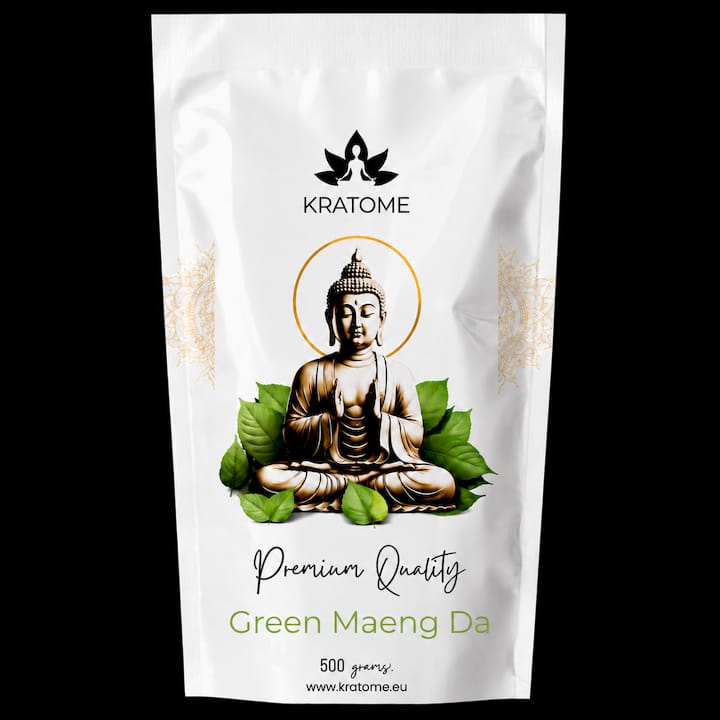
The regional half of the name deserves a healthy dose of skepticism. Vendor naming conventions like Bali, Borneo, and Malay originated from real historical trade routes, but modern supply chains rarely allow a buyer to verify that a specific bag actually traces back to that specific region. Treat the regional tag as inherited terminology, not a supply chain guarantee, unless a vendor explicitly documents sourcing at the batch level.
Descriptive words layered onto product names, like “balanced,” “energizing,” or “smooth,” are vendor language reflecting how that seller chooses to market the product. These words are not measured claims and won’t appear on a COA, because a lab report measures compounds, not marketing adjectives.
A useful habit when comparing listings across vendors:
- Separate the color claim from the regional claim, and treat both as naming convention rather than verified fact.
- Check whether the same name (say, “Green Malay”) from two different vendors links to two different COAs with two different results, since that’s a sign the name alone doesn’t guarantee shared chemistry.
- Look past adjectives like “potent” or “premium” and go straight to the batch number and lab report.
- Compare the accreditation of the testing lab listed on each vendor’s COA, not just whether a COA exists.
Kratomvia’s Maeng Da comparison guide breaks down how the color prefix changes across a single cultivar name, which is a useful reference point once you start comparing listings side by side.
Kratomvia’s Approach to Sourcing and Batch Testing
Kratom leaf is sourced from a defined network of growers in Southeast Asia rather than anonymous bulk suppliers, and every batch that reaches the catalog goes through independent laboratory testing before it’s listed for sale. That structure exists specifically to close the gap this article has been describing: a color name tells a browsing customer what category they’re looking at, and a batch-specific COA tells them what that category actually contains for the bag in front of them.
Readers who want to check this directly can visit Kratomvia’s kratom lab reports page, where batch numbers and COA links are published for public review rather than kept behind a request form. That transparency extends across the catalog’s color categories, including Green Maeng Da and Red Maeng Da, both listed with batch traceability attached to the product page.
To be direct about what these products are for: The kratom powder is marketed for soap-making and accessory use, and this article’s discussion of color categories and lab verification applies to evaluating materials for those purposes, not for ingestion.
The Real Lesson Behind All the Color Talk
The conventional wisdom treats kratom vein color almost like a nutrition label, something precise and interchangeable across vendors. That’s the part worth pushing back on. Color is a harvest-and-processing convention that vendors adopted because it’s simple to communicate, not because a green vein bag from one farm chemically matches a green vein bag from another.
Where most buying guides fall short is stopping at the color explanation and calling it a day. The more useful habit is treating the color name as step one of comparison and the COA as step two, every time, without exception. Peer-reviewed literature backs a real marketplace pattern between color and marketed descriptors, but every review responsible enough to publish that pattern also flags how much batch variability sits underneath it.
If you take one thing from this away, prioritize the batch number and lab accreditation over the product name. A catalog that publishes both, batch by batch, is telling you something a color name alone never can.
— Kratomvia
See Kratomvia’s Lab-Tested Color Categories for Yourself
This catalog gives a way to check everything covered above against real batch data instead of taking a color name at face value. Every product page links back to its own traceable batch history, so you’re never guessing what a “Green Maeng Da” or “Red Maeng Da” label actually means for the specific bag you’re looking at.
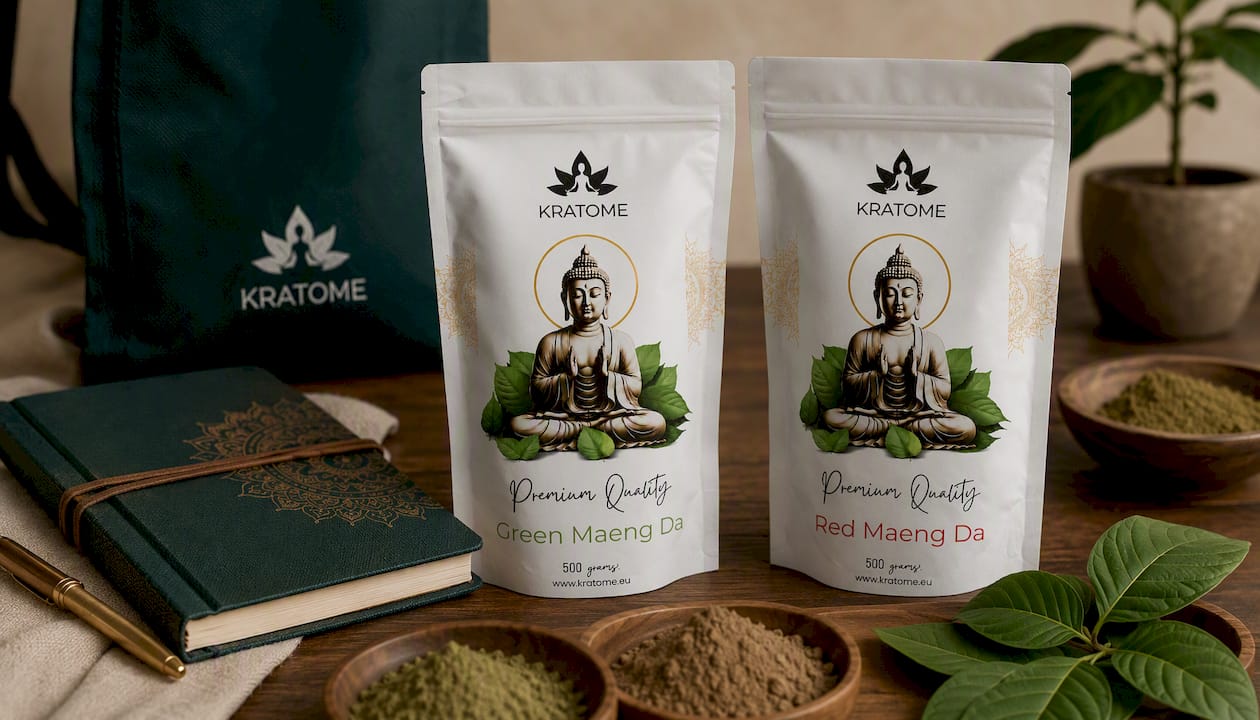
Start with these pages if you want to compare color categories directly:
- Green Maeng Da: product photos and batch-level detail for the green vein category
- Red Maeng Da: the same batch traceability applied to the red vein category
- Green Kratom collection and Red Kratom collection: browse variants within each color category side by side
Every listing states batch number and links directly to its independent lab report, so the COA is one click away rather than something you have to request. The products are formulated and marketed for soap-making and accessory applications, not for ingestion. If you want to browse the full range of color-labeled options in one place, the Kratomvia catalog is the place to start comparing batches for yourself.
Sources
The claims in this guide draw on a small set of sources worth keeping on hand if you want to dig deeper into the science or verify something yourself:
- Examining the Psychoactive Differences between Kratom Strains
- Kratom drug facts (NIDA / related public health resources)
- Kratom (NCCIH)
Use these when you want to check a claim against the primary literature rather than take a vendor’s word for it, or when a COA raises a question about a specific alkaloid you want to research further.
FAQ
Which Kratom Strain Is the Most Potent?
There is no single peer-reviewed answer to this, because potency depends on the alkaloid concentration of a specific batch, not the color name on the label. The only reliable way to compare potency between products is to check each batch’s COA and compare the measured alkaloid panel directly.
What Color Is the Strongest Kratom?
No color category has been shown in peer-reviewed research to be consistently stronger than another, since alkaloid levels vary by batch regardless of vein color. Vendors market red vein toward calming descriptors and white or green vein toward more stimulating ones, but that’s a marketing pattern, not a measured potency ranking.
Which Kratom Strain Has the Most Mitragynine?
Mitragynine levels vary from batch to batch even within the same color category, according to the chemistry literature on alkaloid variability, so no color name reliably predicts the highest concentration. A batch-specific COA listing the alkaloid panel is the only way to know the mitragynine content of a particular product.
What Is Red Kratom Used For?
Red vein kratom is one of the four common vendor color categories, positioned in most catalogs around descriptions tied to relaxation. Kratomvia markets its Red Maeng Da line for soap-making and accessory applications, with batch numbers and lab reports published for anyone comparing options across the Red Kratom collection.
Does Kratomvia Publish Lab Results for Every Color Category?
Yes, Kratomvia publishes batch-specific Certificates of Analysis for its color-labeled product lines, including the Maeng Da series across red, green, white, and yellow vein categories. These reports are available on the kratom lab reports page, organized by batch number rather than bundled into a single generic product claim.
Recommended
- Green Soap Colorant for Kratom Soap Making
- Yellow Colorant for Kratom Soap Making
- Red Soap Colorant for Kratom Soap Making
Disclaimer: This blog is intended for educational and informational purposes only. The content provided is not intended to promote, recommend, or suggest human consumption of kratom or any other product. Our products are sold exclusively for their intended purposes as described on our website. This information should not be interpreted as medical advice, and we encourage readers to consult qualified professionals for any health-related questions.


